Wondering what causes car door locks to stop working? Car door locks can stop working for many reasons, from worn-out parts and damaged keys to dirt, rust, cold weather, and central locking faults. When a lock becomes stiff, loose, or unreliable, it can affect both your access and security. This article explains the common causes of car door lock problems, why they happen, and when to replace them.
Common Reasons Car Door Locks Stop Working
Car door locks can stop working for several reasons, but the main reasons are often linked to age, wear, damage, or the weather. Over time, the small parts inside the lock can wear down, making it harder for the key to fit and turn correctly. This can cause the key to stick, feel loose, or stop working altogether.
Dirt, grit, and debris can also build up inside the lock, and this is common for cars that are used daily, especially in wet or muddy conditions. When dirt gets into the lock, it can block the parts inside and stop the key from turning smoothly. Rain, frost, and road salt can also affect car door locks since the moisture can cause the lock to become rusty, while freezing temperatures can cause the lock to become stiff or frozen. Additionally, if the lock isn't used often due to the driver using a remote fob, the lock may become dry or seized.
Worn Or Damaged Lock Parts
Inside a car door lock, there are several small parts that move together to help the key fit, turn, and move. When these parts become worn out, bent, loose, or broken, the lock can stop working properly. This issue mainly occurs when the car door lock is used often.
Each time the key is inserted and turned, the parts inside the lock barrel move against each other, and over the course of many years, this can wear these parts down. As a result, the key may start to feel loose, stiff, or difficult to turn.
In some cases, the key may only work at a certain angle, or it may get stuck inside the lock. The weather can also make this problem worse since rain, frost, dirt, and road salt can cause the lock to become stiff or rusty.
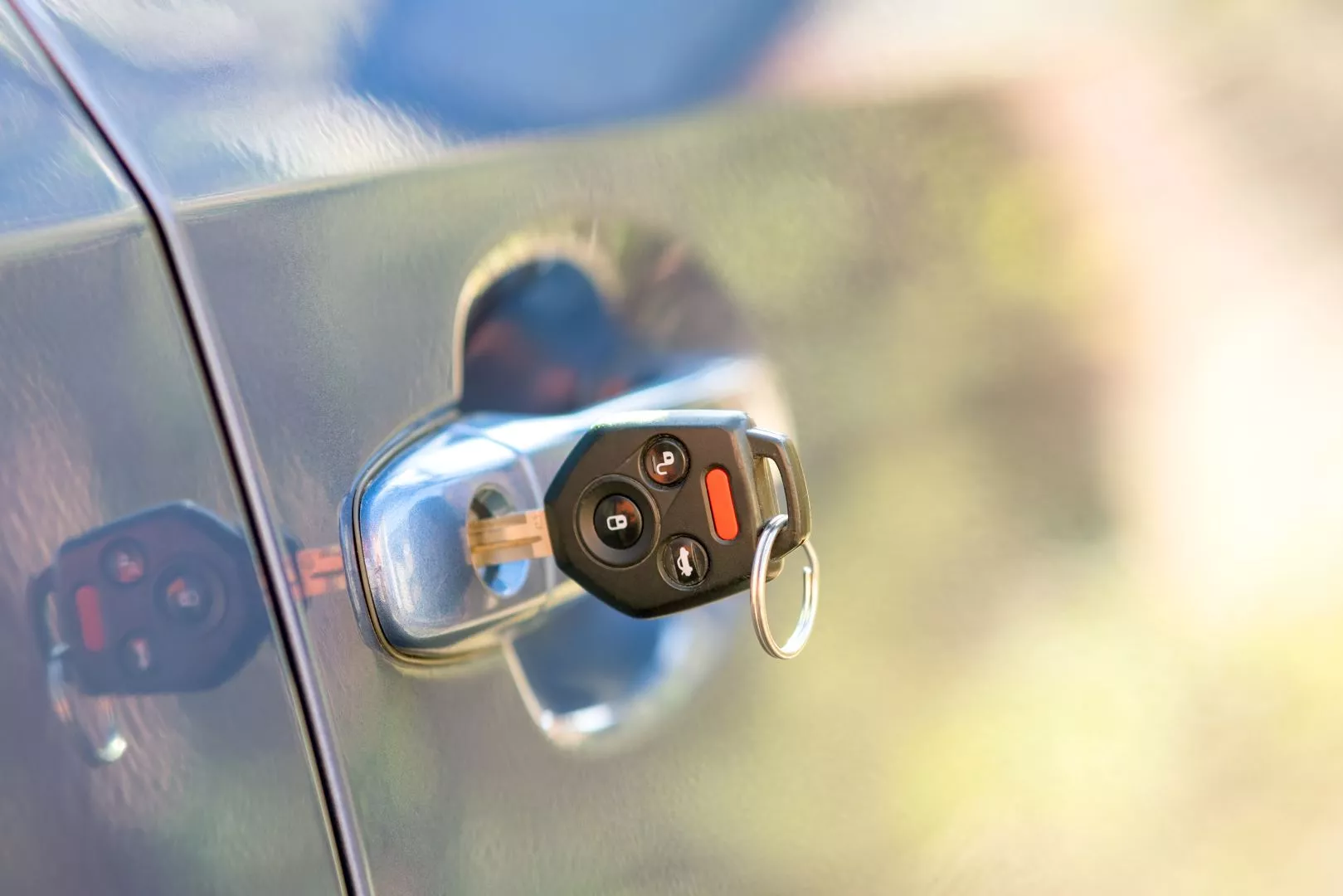
Key Damage Or Wear
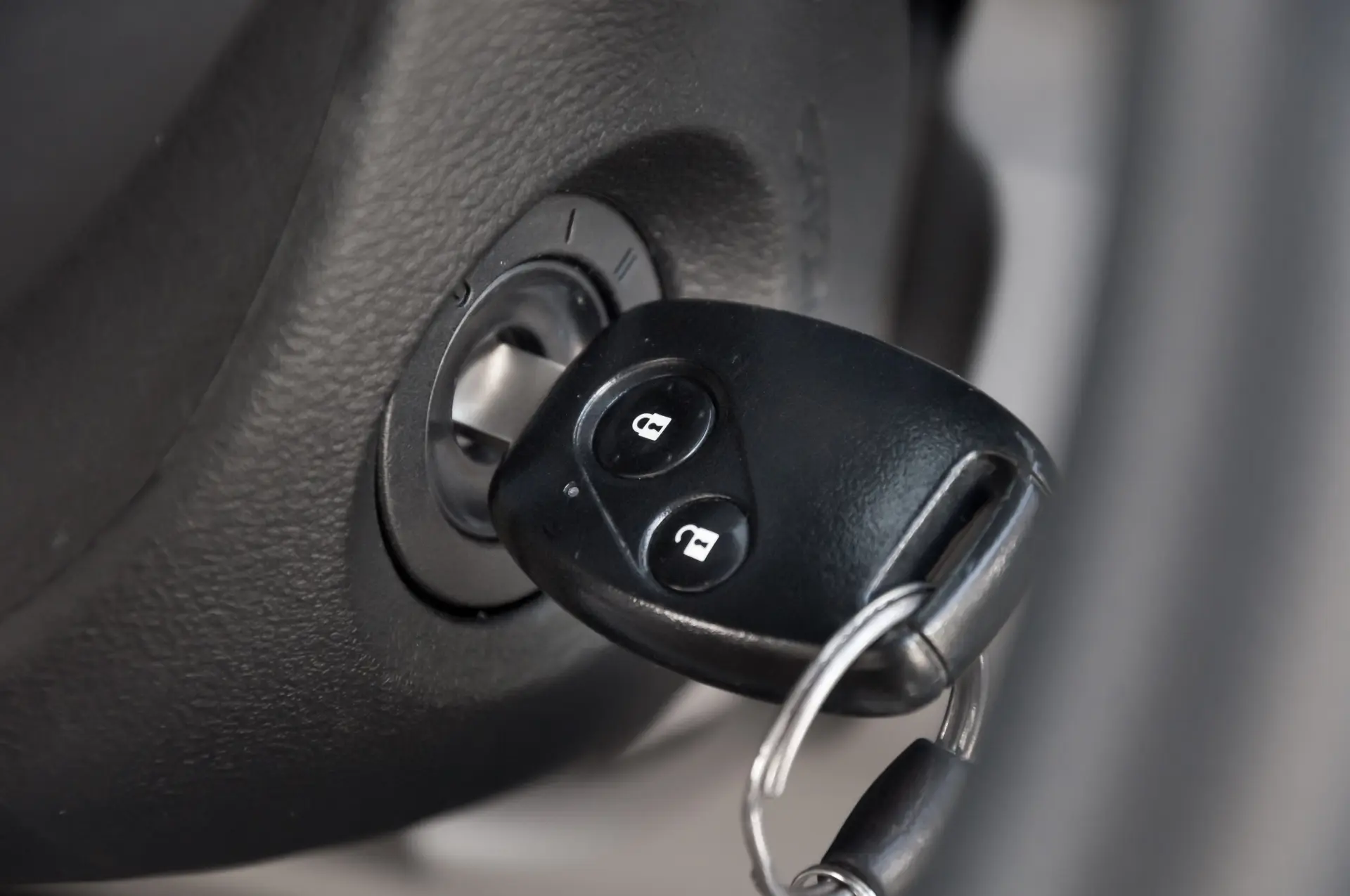
A car key has cuts that match the specific parts inside the lock barrel, and when the key becomes worn out, bent, cracked, or damaged, it may no longer line up with these parts correctly. This can make the key hard to insert, turn and move inside the lock.
This issue is particularly common because car keys can become worn out due to daily handling. The key may rub against other keys, get dropped, bend in a pocket, or become damaged due to sheer force. Over time, the edges of the key can smooth down, meaning it may no longer work as sharply as it once did. Even a small change in the key’s shape can stop the lock from turning properly.
A damaged key can also harm the lock itself because if the key is forced into the barrel, it can bend the small parts inside or cause the key to snap. This can leave part of the key stuck inside the lock and make the door impossible to open or secure.
Dirt, Rust, And Debris Inside The Lock
Dirt, rust, and debris can cause car door locks to stop working because they can block the small moving parts inside the lock barrel. A car door lock needs these parts to move freely when the key is inserted and turned, so when dirt, dust, grit, or small pieces of debris build up inside, the key may struggle to slide in properly.
Rain, frost, and road salt can also make this issue more likely, since water that's sat inside the lock can cause the metal parts to corrode over time. Once rust begins to form, the lock can become rough, tight, or partly seized, which can make it harder for the key and lock barrel to work together. Forcing a key into a dirty or rusty lock can make this problem worse, and it can cause the key to bend, snap or damage the barrel.
Faulty Central Locking Systems
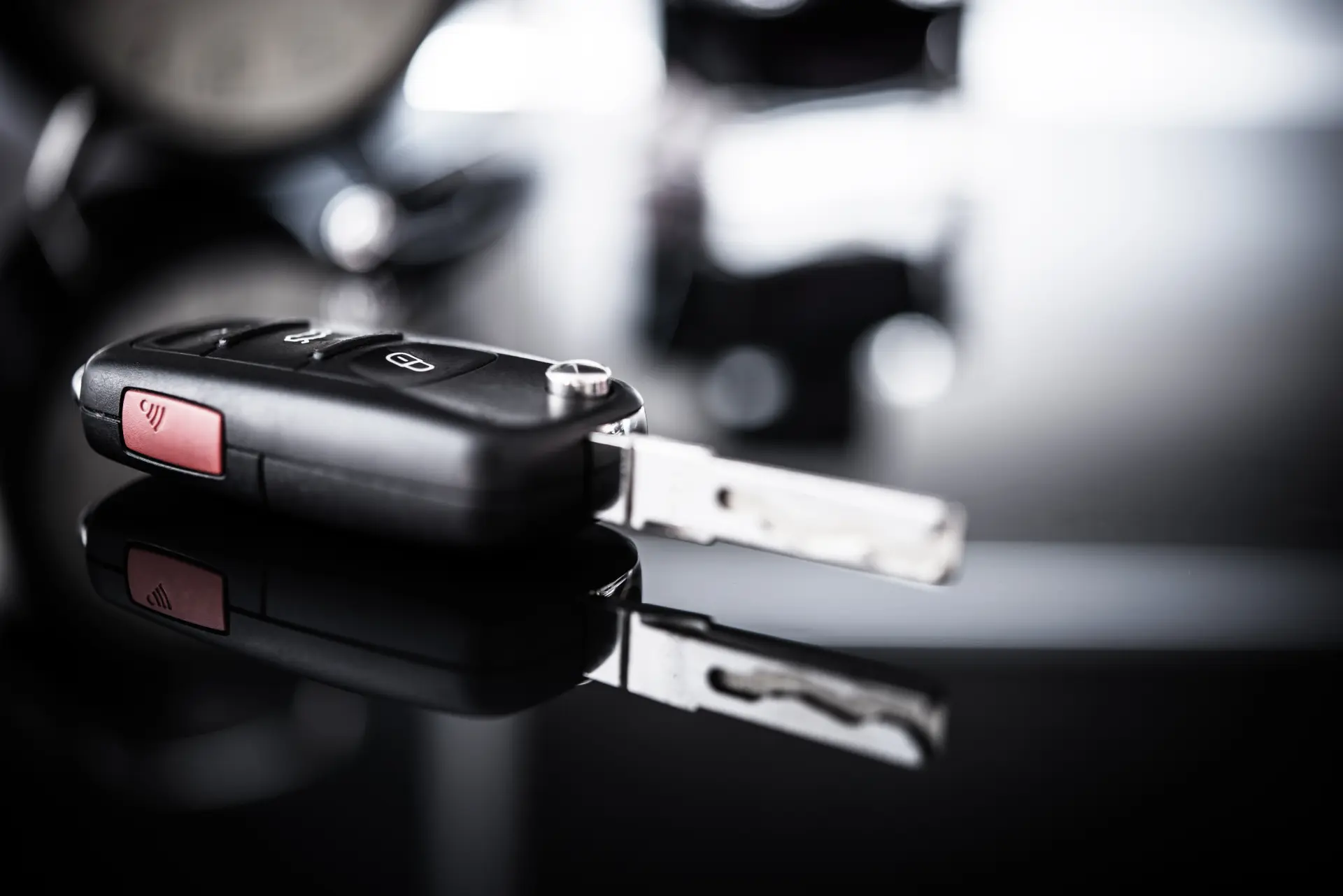
Faulty central locking systems can cause car door locks to stop working because they control how the doors lock and unlock. When the system is working properly, the key fob, key, or interior button should send a signal that moves the lock mechanism in each door. If one part of the system fails, one or more doors may stop responding.
This issue can happen for several reasons, for example, the lock actuator inside the door may become weak or stop moving fully, or the wiring inside the door may be damaged. In some cases, the fault may be linked to a flat key fob battery, a blown fuse, or a problem with the control unit. If the lock itself is worn or stiff, the central locking system may not have enough force to move it properly.
When the central locking fails, the car can become harder to use and less secure. This is because the door may stay unlocked, fail to open, or only work sometimes. This can be frustrating, and it can put the vehicle at risk.
Electrical Issues In Modern Vehicles
Instead of only using a manual key, most drivers use a remote fob, button, or keyless entry system, so when an electrical fault develops, the lock may not receive the right signal. One common cause of this issue is damaged wiring inside the door. Wires can become weak over time, especially if they bend every time the door opens and closes. So if a wire becomes loose, split, or broken, the lock may only work half of the time.
Another common issue is a faulty lock actuator. This is the part that moves the lock when the central locking system is used. If it becomes weak or broken, the door may make a clicking sound but not secure properly. Electrical problems can also be linked to a flat key fob battery, a blown fuse, a poor connection, or a fault in the car’s control unit. In some vehicles, even a low main battery can affect the locking system. These faults are common because modern cars use more electrical features than older vehicles.
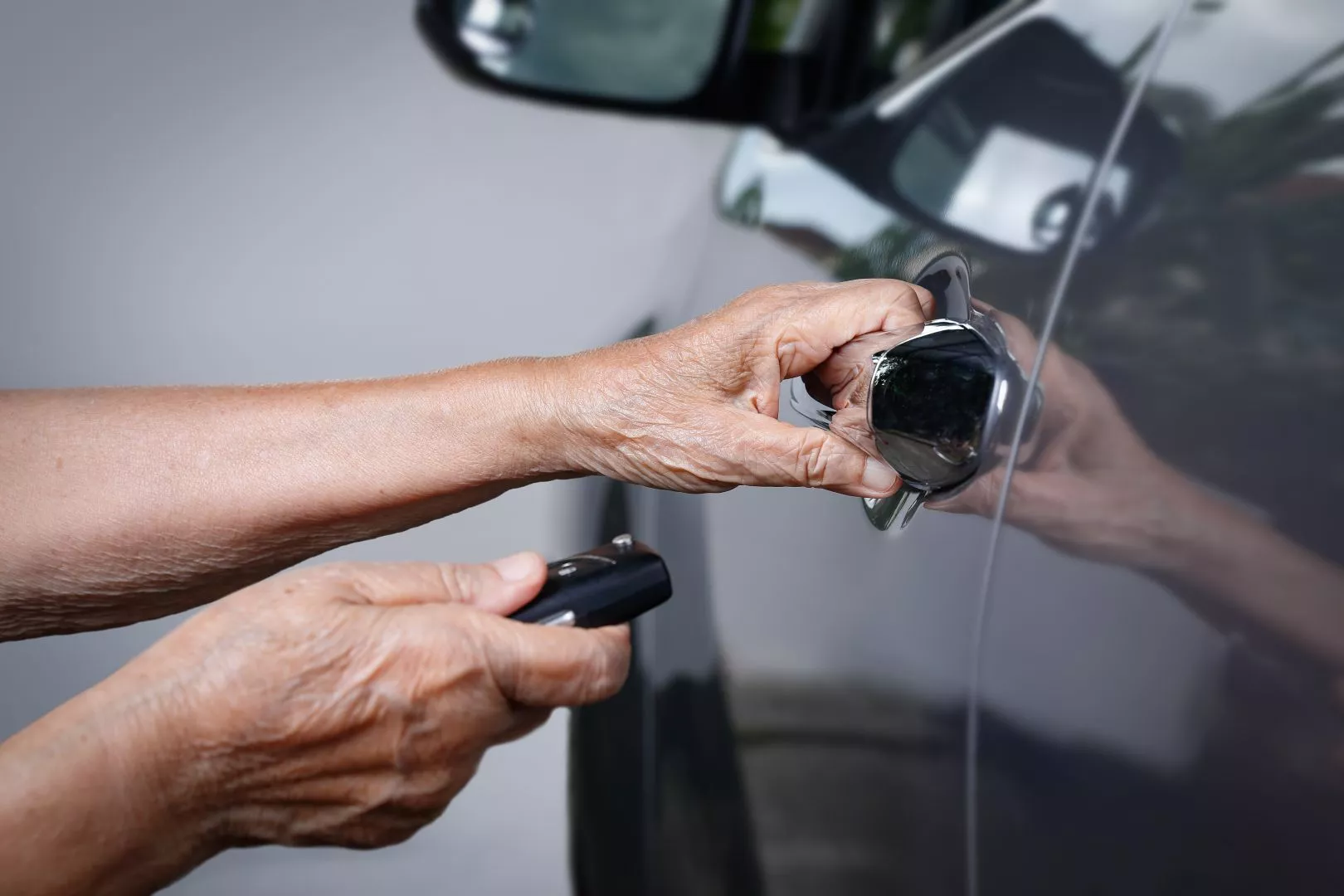
Damage After A Break-In Attempt
Damage after a break-in attempt can cause your car door locks to stop working because the lock may have been forced open, twisted, or struck during the attempt. Even if the person doesn't get into the vehicle, the lock barrel and the parts inside the door may be left bent, loose, or out of line. This can stop the key from fitting or turning as it should.
The door lock is one of the most direct points of entry on many vehicles, so if someone tries to force it open with a tool, the parts inside can become damaged very quickly. The key may then feel stiff or loose, and in some cases, the key may only work at a certain angle. A break-in attempt can also affect the latch, handle, and central locking system, which can make the car even harder to use.
Frozen Car Door Locks In Cold Weather
Frozen car door locks can cause the lock to stop working because the moisture inside can freeze up and block the moving parts inside. A car door lock needs the key, barrel, and internal parts to move freely, so when water turns to ice inside the lock, the key may not slot in fully, or it may not turn at all. Moisture can enter the lock through small gaps around the keyhole, and if the vehicle is parked outside, the lock is more exposed to cold air and damp conditions.
Road salt and dirt can also get into the lock and make the problem worse, since they can also retain moisture and make the barrel even stiffer. Many drivers rely on remote fobs, so the keyhole may not be checked until the fob battery eventually fails or the central locking stops working. By that time, moisture, dirt, or rust may have already built up inside the lock, and trying to force the key in can make the damage worse.
Problems With The Door Latch
The lock controls whether the door can be opened, while the latch holds the door shut against the frame, and if the latch is worn, stuck, bent, or out of line, the lock may not be able to secure or release the door properly. This can lead to several problems. For example, the key may turn, but the door may not open, or the central locking system may make a sound, but the door may not actually lock. In some cases, the door can bounce back when it's closed, feel loose, or only stay shut after being slammed.
These signs often mean the latch isn't moving into the correct position. Over time, regular use can wear down the moving parts in the locking system, and dirt, rust, and a lack of lubrication can also make the latch stiff. A damaged latch can also be caused by a minor accident, a forced door, or an attempted break-in, but once the latch is out of line, it can put extra strain on the system.
When To Replace A Faulty Car Door Lock
Ideally, you should replace a faulty car door lock when it no longer works safely, smoothly, or reliably. If the lock sticks, feels loose, or only works at certain angles, there's a chance the lock barrel may be damaged. In this case, it's often best to replace it before the system fails entirely.
Lost or stolen keys are another reason to replace a car door lock. If someone else has the key, your car may no longer be secure, and replacing the lock can stop the old key from working, which can protect your vehicle.
A faulty lock that's linked to the central locking system may also need replacing. If one door doesn't respond to the remote fob, key, or inside button, the lock mechanism may be damaged or failing. The same applies if the door appears to be locked but isn't. Replacing a faulty car door lock improves your security and reduces the risk of you being locked out or unable to access your vehicle.
A1 Auto Key Medic provides professional car door lock replacement services to help drivers regain safe and reliable access to their vehicles. Our service covers damaged, worn, stolen, or faulty locks, alongside careful key fittings for different makes and models.